Indian Festivals and Traditions
Introduction:
India, a land of vibrant colors, diverse cultures, and rich heritage, is renowned for its plethora of festivals and traditions that celebrate the essence of life. From the grandeur of Diwali to the exuberance of Holi, and the spirituality of Navaratri, each festival in India carries a unique significance and reflects the cultural tapestry of this incredible nation. Let us embark on a journey of discovery to understand the kaleidoscope of Indian festivals and traditions, exploring the stories, rituals, and customs that make them so captivating.
The Festivals:
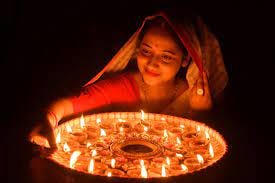
- Diwali: Known as the Festival of Lights, Diwali symbolizes the victory of light over darkness and good over evil. Homes are adorned with oil lamps, candles, and colorful decorations. The night sky dazzles with spectacular firework displays, while families exchange sweets and gifts, and offer prayers to deities.
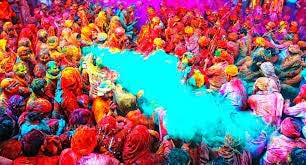
- Holi: Holi, the Festival of Colors, is a joyous celebration of the arrival of spring. People come together to play with vibrant colored powders and water, expressing unity, love, and the triumph of good over evil. It’s a time when social barriers dissolve, and the air is filled with laughter, music, and dance.
- Ganesh Chaturthi: This festival honors Lord Ganesh, the elephant-headed deity known as the remover of obstacles. Elaborate idols of Lord Ganesh are installed in homes and public spaces, and devotees offer prayers and perform vibrant processions before immersing the idols in water bodies.
- Navaratri: Navaratri is a nine-night festival dedicated to the worship of the divine feminine energy. The nights are filled with traditional dances like Garba and Dandiya-Raas, where people dressed in colorful attire move in rhythmic patterns, celebrating the triumph of good over evil.
The Traditions:
- Namaste: The gesture of joining hands and bowing the head, known as “Namaste,” is a traditional way of greeting in India. It signifies respect, humility, and acknowledgment of the divine spark within each individual.
- Saree and Turban: The saree, a graceful and elegant garment worn by women, and the turban, worn by men, are iconic symbols of Indian tradition. They represent regional diversity and cultural identity, showcasing the beauty of Indian textiles and craftsmanship.
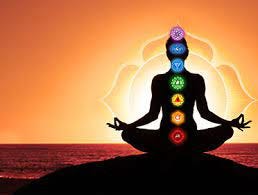
- Yoga and Meditation: India’s ancient practices of yoga and meditation have gained worldwide popularity. They offer a path to physical and mental well-being, enabling individuals to find inner peace, balance, and harmony.
- Mehendi: The art of applying intricate henna designs on hands and feet, known as mehendi, is a beloved tradition during weddings and festivals. It is believed to bring good luck, enhance beauty, and symbolize love and togetherness.
Conclusion:
Indian festivals and traditions are a reflection of the country’s rich heritage, unity in diversity, and the enduring spirit of celebration. They showcase the profound connection between people, nature, and the divine. Exploring these festivals and traditions allows us to appreciate the cultural fabric of India, fostering understanding, respect, and a sense of belonging. Let us embrace the kaleidoscope of Indian festivals and traditions, celebrating the tapestry of humanity and the beauty of our shared existence.